
Penalty Shoot Out vs. Penalty Unlimited: Which One is More Rewarding?
Introduction
In the world of football (soccer), penalties are one of the most intense and nerve-wracking moments of the game. They can determine the outcome of matches, especially in knockout tournaments where every goal counts. Two prominent formats for resolving penalty situations are the “Penalty Shoot Out” and “Penalty Unlimited.” This report aims to analyze both formats, exploring their mechanics, psychological impacts, fairness, and overall rewarding nature for players and teams.
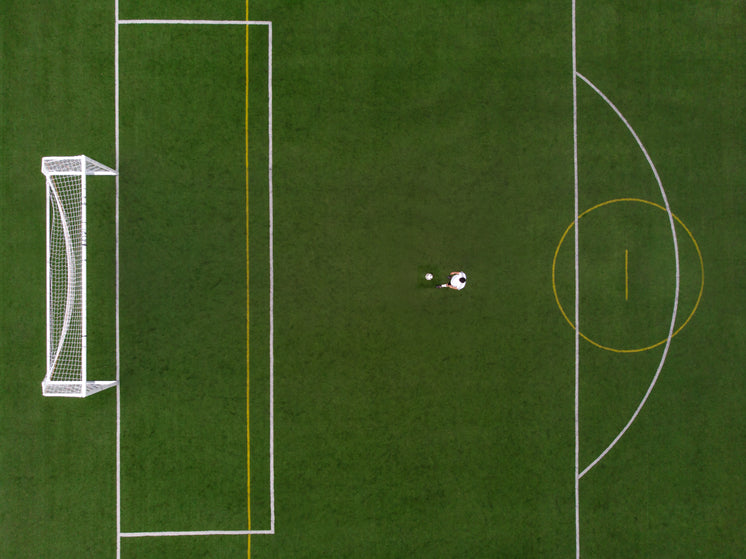
Overview of Penalty Shoot Out
A penalty shootout occurs when a match ends in a draw, particularly in knockout competitions. Each team selects five players to take penalty kicks alternately. The team with the most successful penalties after the five kicks wins the match. If the score remains tied, the shootout continues to a sudden-death format, where teams alternate kicks until one team scores and the other does not.
Mechanics of Penalty Shoot Out
- Player Selection: Teams typically choose their best penalty takers, considering their skill, confidence, and past performance.
- Format: Each team takes five shots, alternating between them. The order of shooters can significantly impact the outcome, as pressure builds with each kick.
- Goalkeeper’s Role: The goalkeeper’s ability to read the shooter and make crucial saves can turn the tide in favor of their team.
Overview of Penalty Unlimited
Penalty Unlimited is a less common format where players can take as many penalty kicks as necessary until one team outscored the other. This method is often used in informal settings or training environments, but it has been proposed as an alternative to the traditional shootout in some competitive scenarios.
Mechanics of Penalty Unlimited
- Continuous Kicking: Players continue to take penalties until one team has a higher score than the other after a predetermined number of shots or until a team fails to score.
- Team Strategy: Teams can rotate players in and out, allowing for strategic substitutions based on player performance and fatigue.
- Psychological Dynamics: The continuous nature of this format can lead to different psychological pressures, as players may feel less pressure with each subsequent kick.
Comparative Analysis
Psychological Factors
- Pressure: The penalty shootout inherently carries immense pressure, especially as the final kicks approach. Players must deal with the weight of their team’s hopes resting on their shoulders. In contrast, the unlimited format may alleviate some of this pressure, as players are not limited to a set number of attempts.
- Confidence and Morale: Success in a penalty shootout can boost a player’s confidence, while failure can lead to a significant psychological burden. In Penalty Unlimited, players may feel more liberated to take risks, knowing they have multiple opportunities.
Fairness and Skill
- Skill Representation: The penalty shootout tends to favor teams with strong individual performers. A few standout players can dominate the outcome. In contrast, Penalty Unlimited may provide a more balanced representation of a team’s overall skill, as it allows for more attempts and the possibility of different players stepping up.
- Goalkeeper Impact: In both formats, goalkeepers play a crucial role. However, in a shootout, the pressure on the goalkeeper is immense, as they are tasked with saving a limited number of attempts. In Penalty Unlimited, a goalkeeper’s performance over multiple attempts could lead to a more accurate assessment of their skills.
Game Dynamics and Fan Engagement
- Spectacle: The drama of a penalty shootout is a spectacle that captivates fans. The alternating kicks build tension and excitement, often leading to memorable moments in football history. Penalty Unlimited, while potentially more engaging in terms of gameplay, may lack the same dramatic flair due to its continuous nature.
- Fan Experience: Fans are often emotionally invested in penalty shootouts, as they represent a climactic moment in the match. The unpredictability of sudden death adds to the thrill. In contrast, the unlimited format may feel less climactic, as the outcome can be extended over a longer period.
Conclusion
Both Penalty Shoot Out and Penalty Unlimited offer unique experiences for players, teams, and fans. The shootout is a high-pressure, high-stakes scenario that tests individual skill and psychological resilience, creating memorable moments in football. In contrast, Penalty Unlimited promotes teamwork and can provide a more comprehensive assessment of a team’s overall ability.
Ultimately, the more rewarding format depends on the context in which it is applied. For knockout competitions where the stakes are high, the traditional penalty shootout remains a thrilling and rewarding conclusion to a match. However, in training or less formal settings, Penalty Unlimited may foster skill development and team cohesion.
As football continues to evolve, the discussion surrounding penalty formats will likely persist, with each format offering its own set of rewards and challenges. The choice between Penalty Shoot Out and Penalty Unlimited will ultimately reflect the values and objectives of the teams and competitions involved.